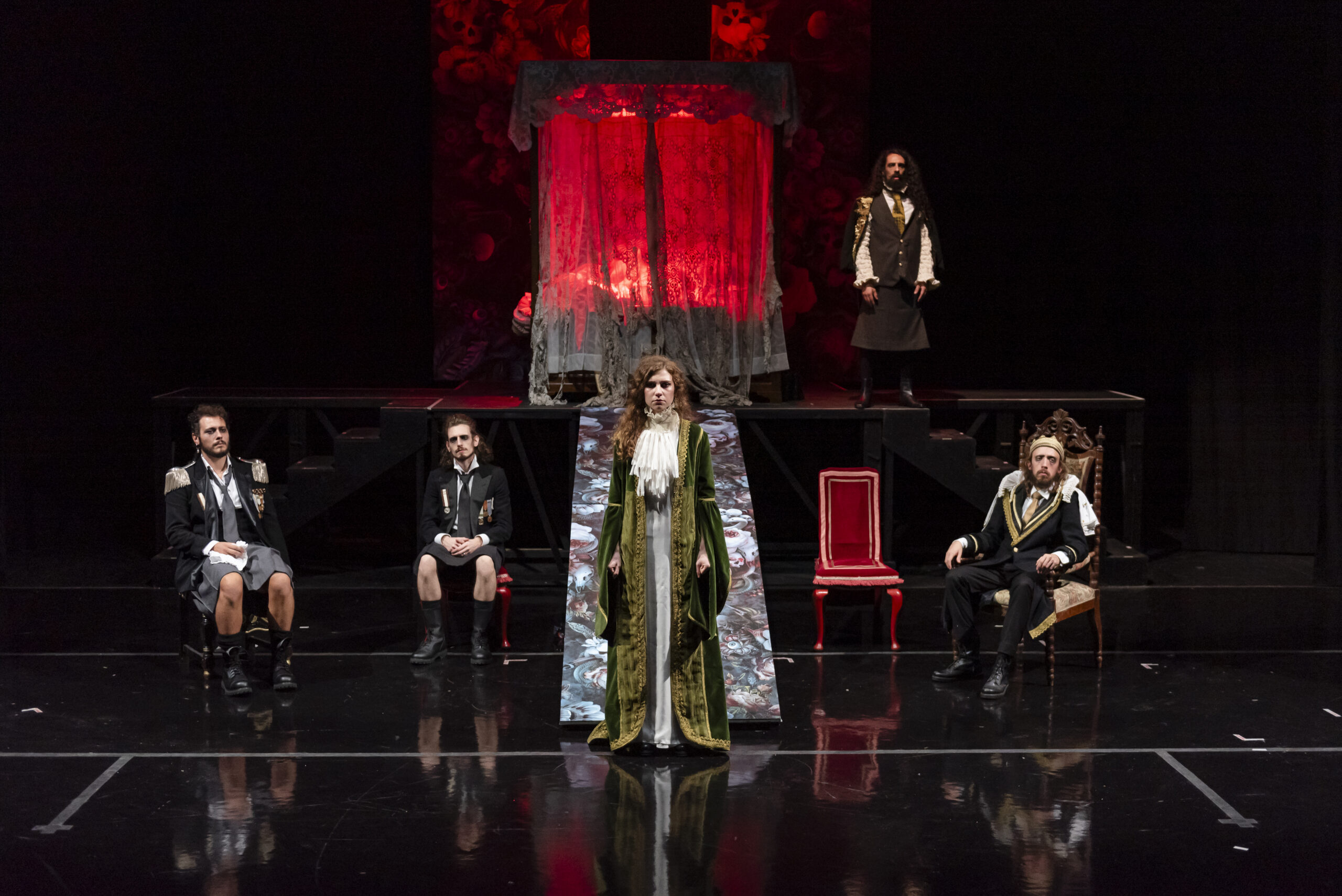
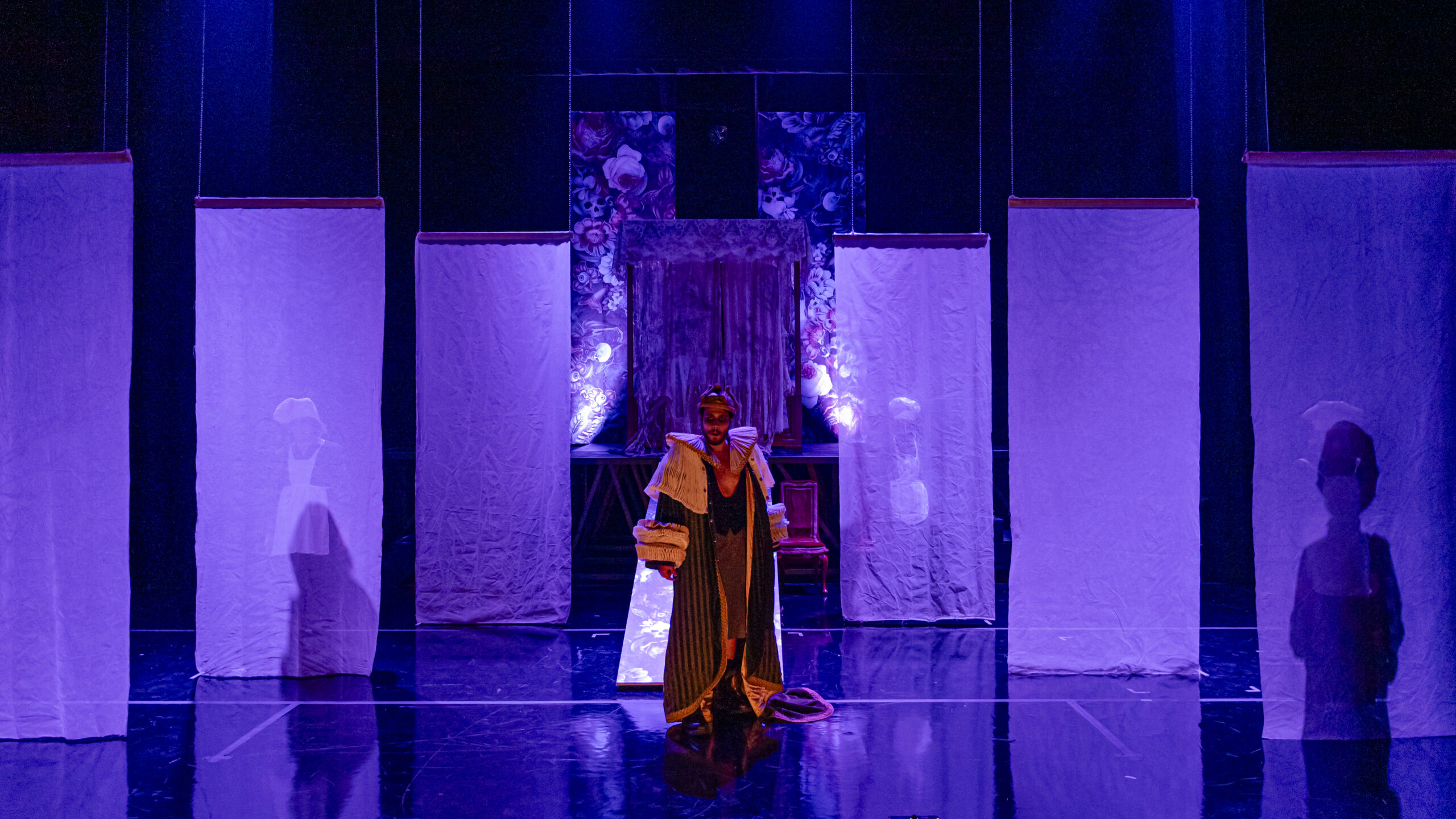
Emanuele Conte reimagines Shakespeare’s masterpiece in an intense, grotesque and surprising production, where power intertwines with pain and even darkness can provoke a smile. Following its national premiere on 15 October, the new production by Fondazione Luzzati – Teatro della Tosse arrives in Milan, from 28 to 30th October
E se il Macbeth What if Shakespeare’s Macbeth unfolded entirely around a lavishly set table, amid secrets, unspoken desires and dishes with a decidedly bitter aftertaste? This is the intriguing idea behind A Dinner with Macbeth, the new production written and directed by Emanuele Conte. Following its national premiere on 15 October, the show offers an original, visceral and sometimes grotesque reinterpretation of one of the most celebrated tragedies of all time. Conte returns to Shakespeare’s universe after exploring its more parodic side in Ubù Re Scatenato last autumn. This time, however, laughter gives way to a deeper investigation that preserves the brutality of the original tragedy while illuminating its most intimate layers. At its heart lies not only the thirst for power, but above all the tormented bond between Macbeth and Lady Macbeth, two souls so closely connected that they seem like two halves of the same being.
Love that Becomes obsession
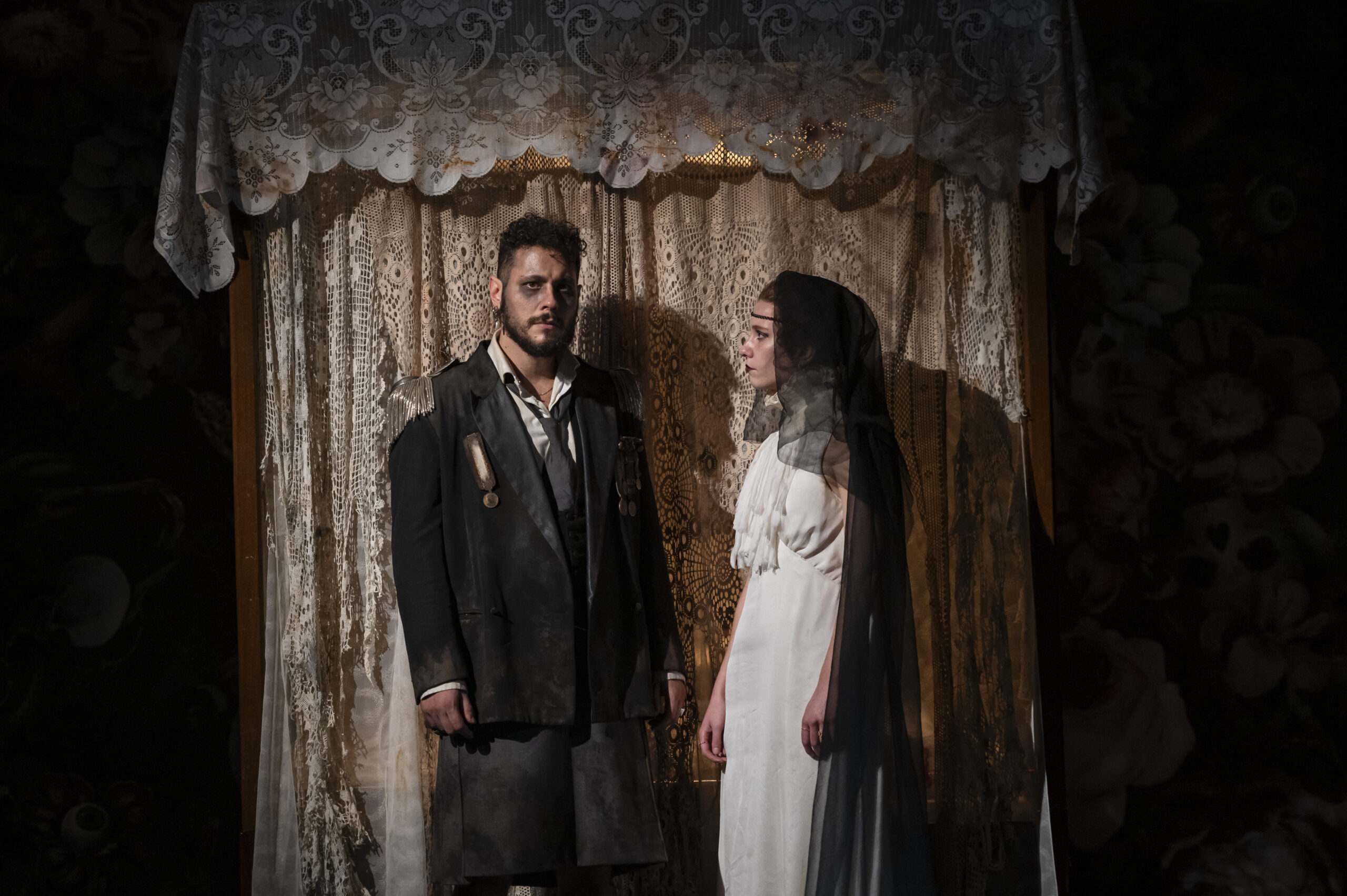
Raffaele Barca plays Macbeth, while Ludovica Baiardi takes on the role of Lady Macbeth. Together, they bring to life an intense, symbiotic relationship in which love, ambition and suffering become increasingly intertwined until they are almost impossible to distinguish. At first, she is the driving force, an unscrupulous ambition pushing towards the throne; he is a tormented conscience, torn between the desire to seize power and the terror of its consequences. Yet, as the story unfolds, their boundaries begin to blur, their identities merge, and the couple becomes a single organism, destined to consume itself along with its own dreams.
An especially human and painful dimension of their relationship emerges through a wound that Emanuele Conte chooses to bring into the light: the premature loss of a child. This silent grief, never fully processed, becomes the hidden root of their insatiable ambition, turning the pursuit of power into a desperate attempt to compensate for their pain. Violence, therefore, stems not only from the desire to dominate, but also from the inability to confront a loss that continues to burn within them.
Dinnerr is ready: witches have been cooking
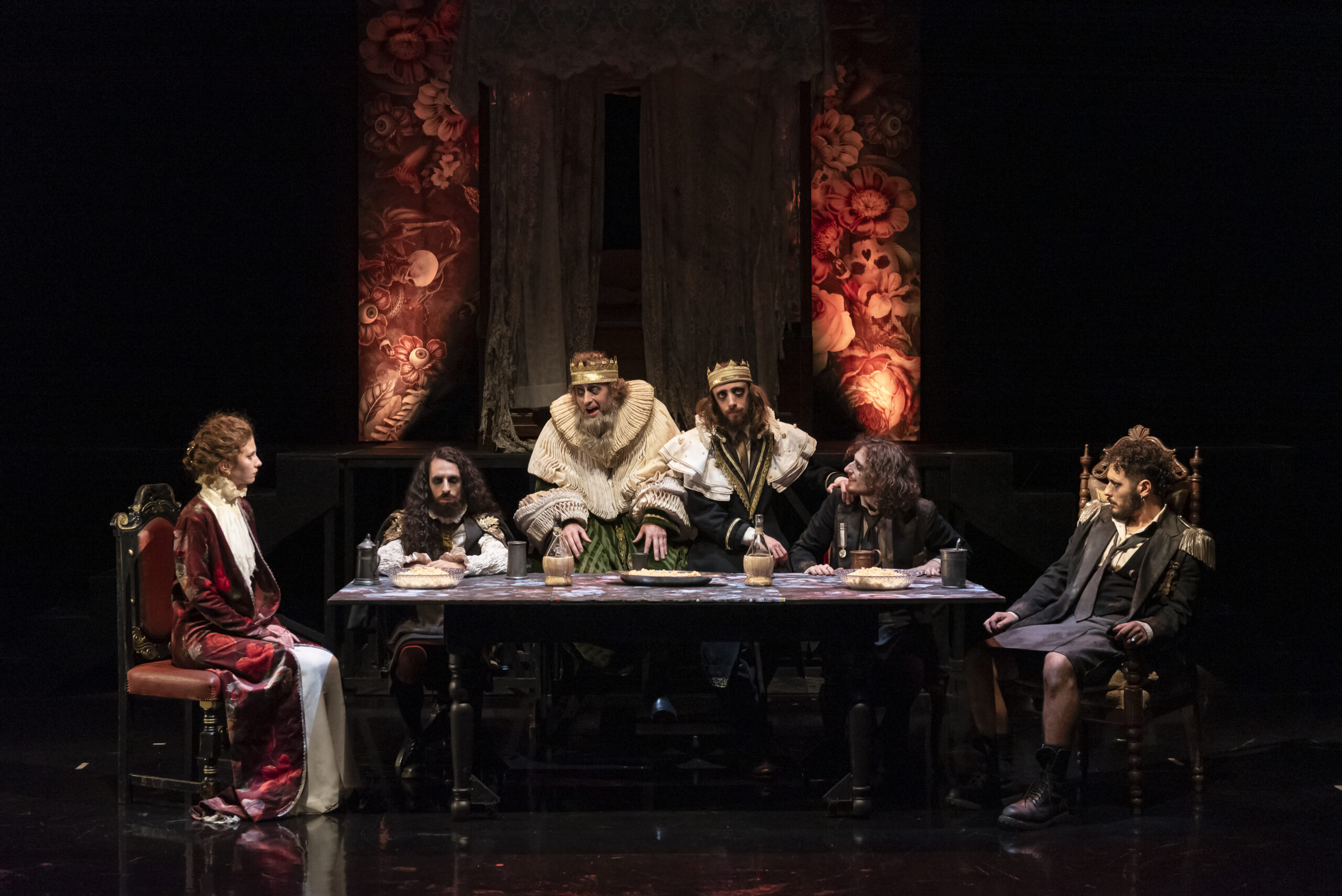
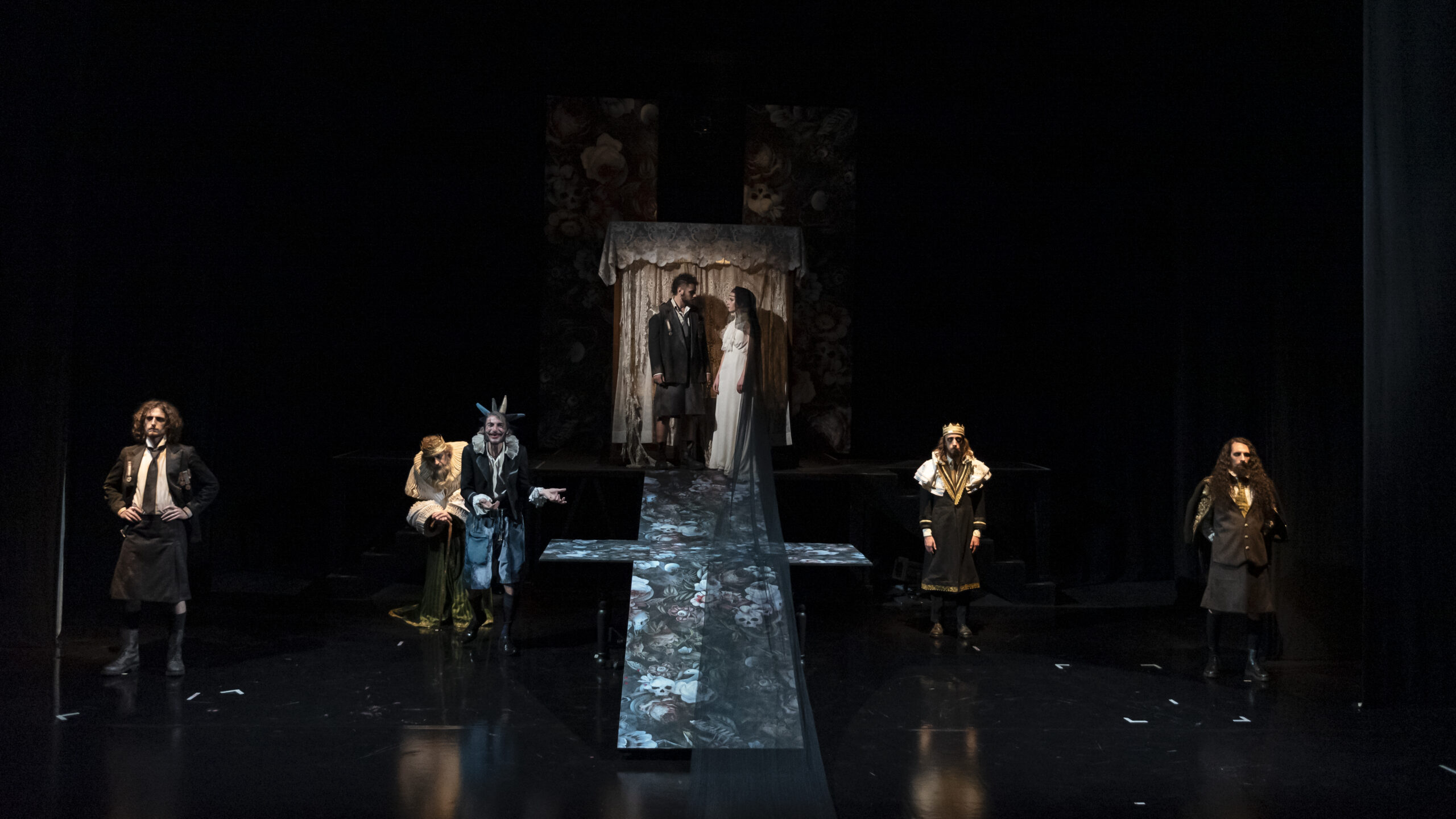
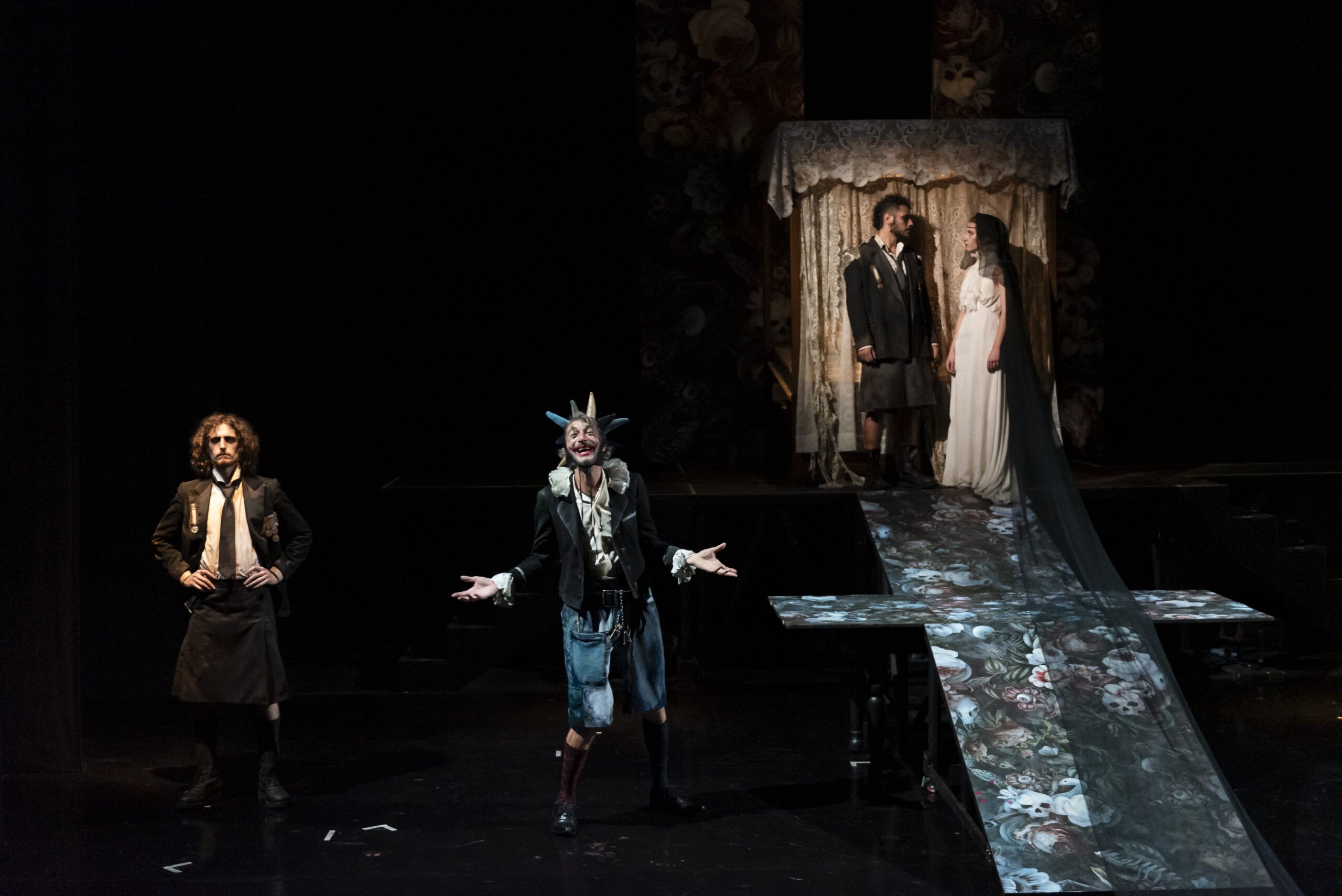
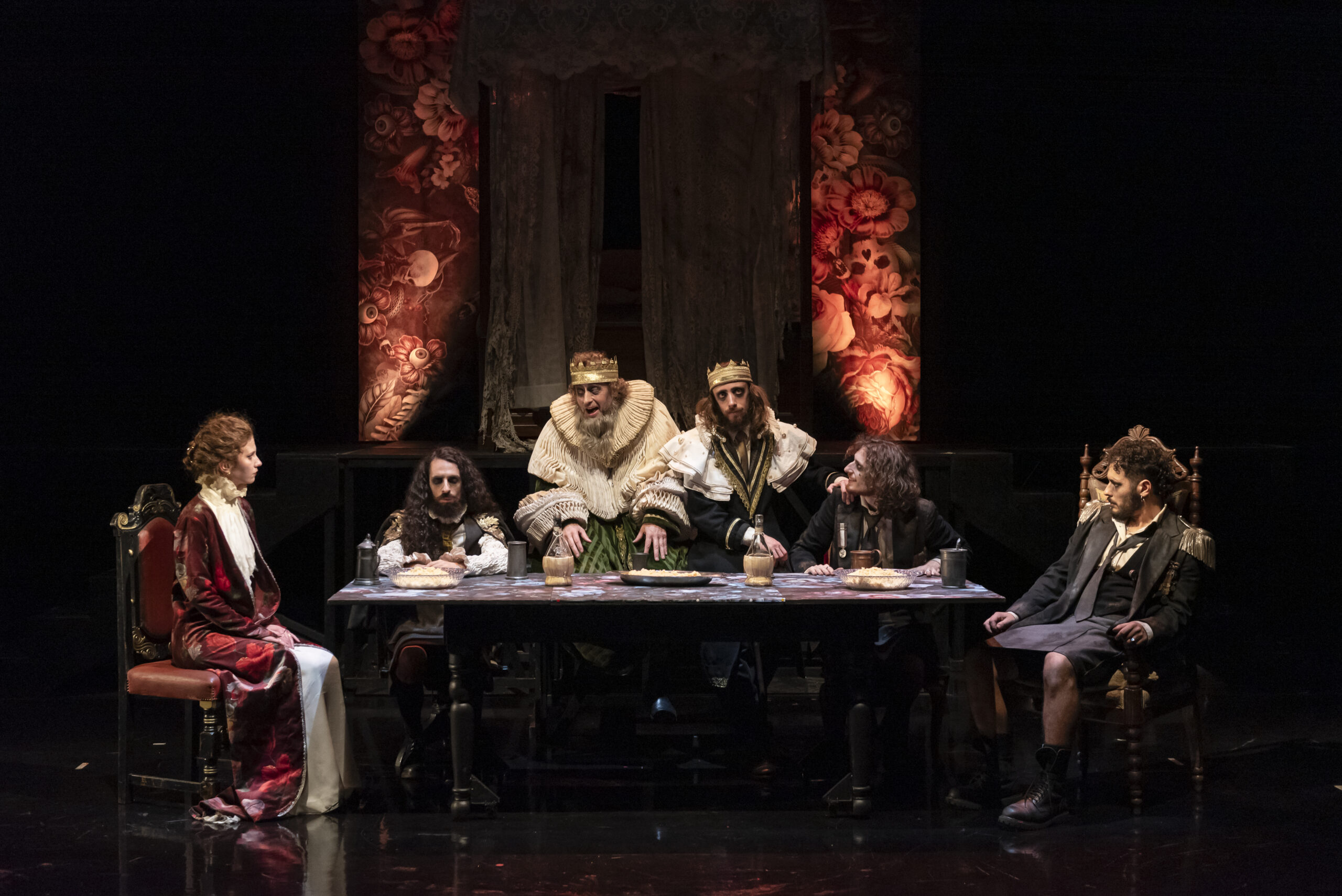
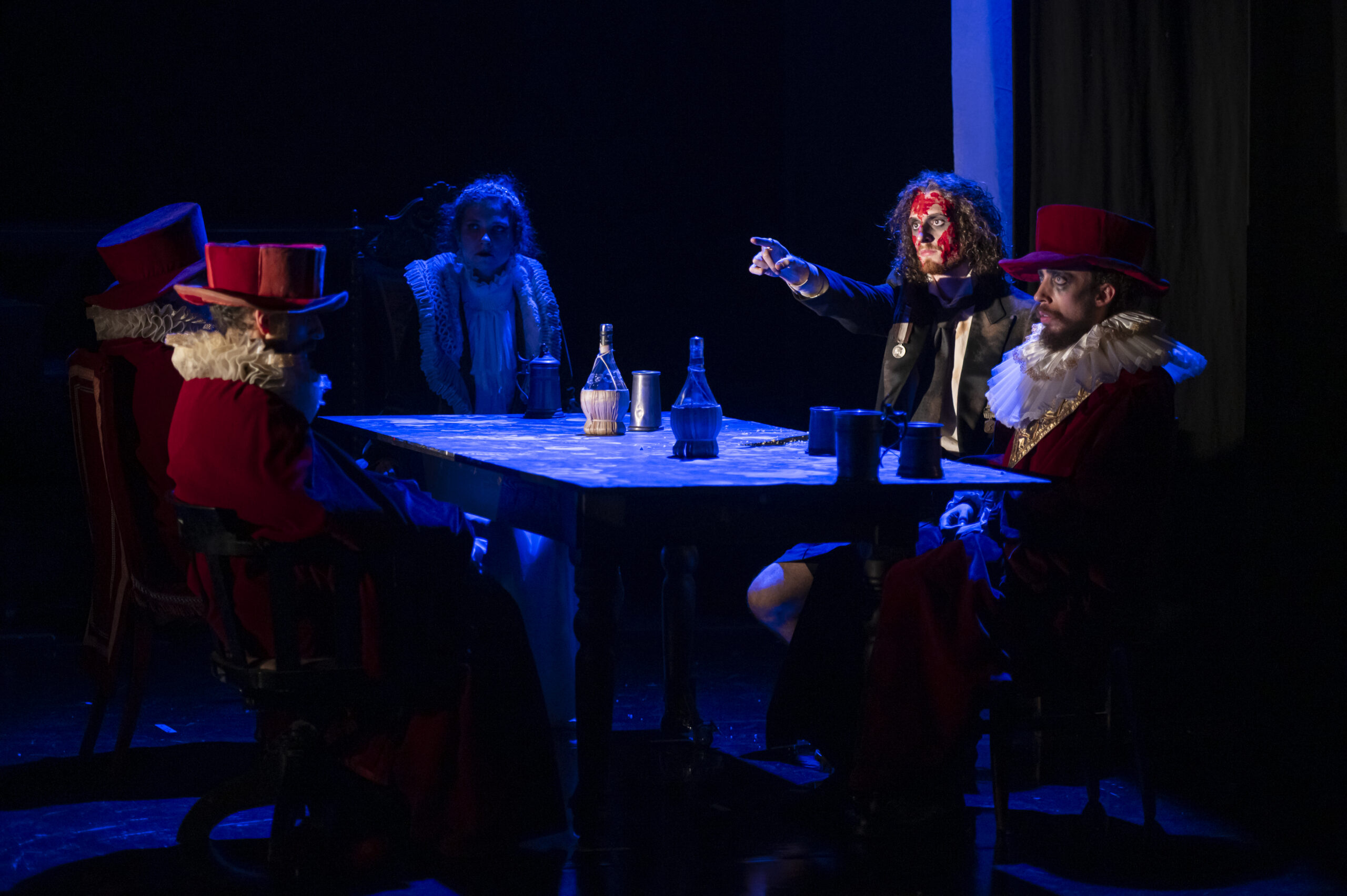
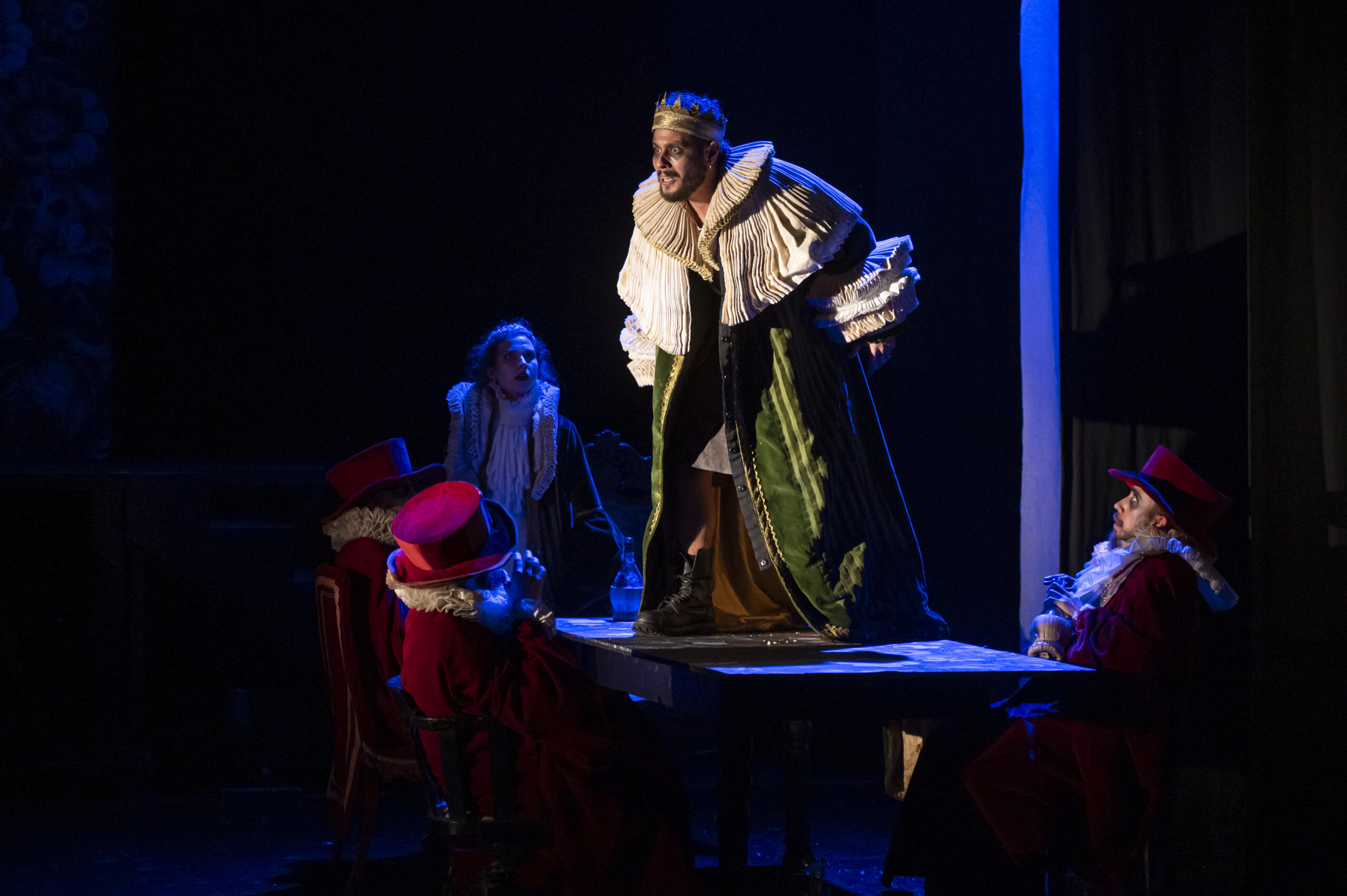
The action unfolds around a banquet that is never merely a banquet. The claustrophobic space constantly changes, becoming in turn a state dining table, a sacrificial altar and a labyrinth of the soul. Here, murders, revenge and betrayals are served, while good manners struggle in vain to conceal the horror.
Adding an unexpected flavour to this unsettling dinner are three witches who are anything but conventional. Forget solemn mysteries and prophecies delivered with ritualistic gravity: these are loud, vulgar, earthy cooks, ready to mix the ingredients of tragedy with a generous helping of bitter irony. The result is a theatrical universe in which grotesque humour lightens the tension without erasing its cruelty, offering the audience a few sardonic smiles along the way. Joining the protagonists, Alessandro Bergallo plays the Porter, Pietro Fabbri is King Duncan, Marco Rivolta takes on the role of Malcolm, and Graziano Sirressi plays Macduff. Fabbri, Rivolta and Sirressi also bring the Witches to life, multiplying the characters and transformations within this unsettling theatrical game.
Power changes Its face, but never disappears
In his director’s notes, Conte also draws inspiration from the fragmented, compressed nature of Macbeth. It is the shortest of Shakespeare’s tragedies preserved in the 1623 First Folio, probably revised and condensed throughout its performance history. From this essential quality emerges an adaptation that does not seek to betray the original, but rather to bring its most authentic and ferocious substance to the surface.
And if Macbeth’s death might seem to herald the restoration of order, the production opens up a far less reassuring perspective. Malcolm, the future king, suggests that the machinery of power has not been dismantled at all: the person sitting on the throne may change, but the desire to dominate continues to regenerate, like a phoenix rising from its ashes. This is where A Dinner with Macbeth moves beyond the boundaries of an individual story and becomes a timeless reflection on human nature. Behind the ambitions of rulers, the witches’ prophecies and the bloodshed lie fears, vulnerabilities and desires that remain deeply relevant to our own time. Produced by Fondazione Luzzati – Teatro della Tosse, the production features Emanuele Conte’s dramaturgy and direction, costumes by Daniela De Blasio and lighting design by Matteo Selis. It is a collective theatrical endeavour that invites audiences to discover Shakespeare from a new, more intimate and visceral perspective, without sacrificing the pleasure of theatre that surprises, unsettles and entertains.
After all, the invitation is already contained in the title: take a seat at the table, surrender to the atmosphere and discover what happens when the desire to possess everything ends up devouring it all.