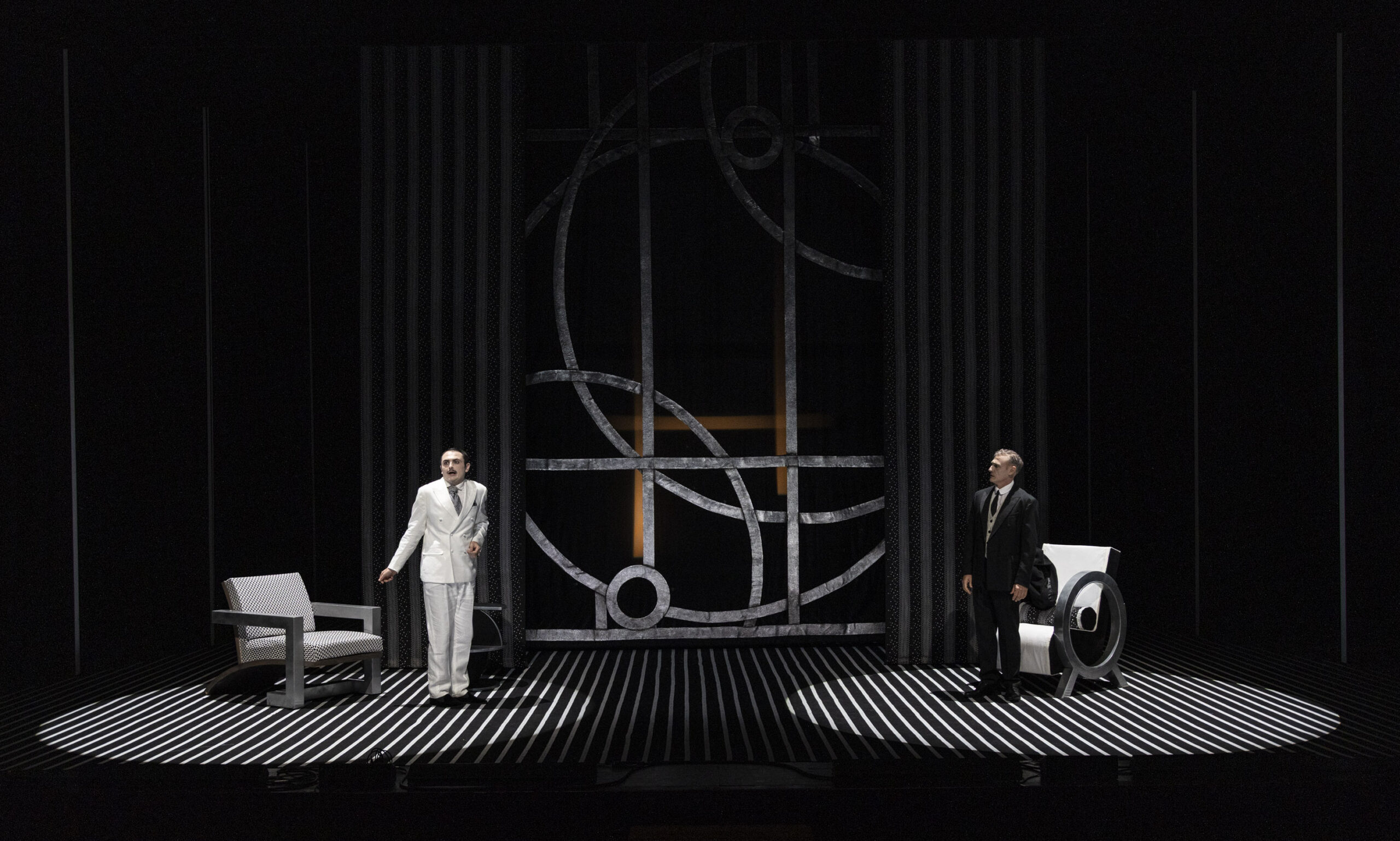
Political intrigue, unconfessable secrets and sparkling social games: Ferdinando Bruni and Francesco Frongia bring Oscar Wilde’s celebrated comedy back to the stage. An ironic and sophisticated journey into the contradictions of human nature, where the truth is never quite as simple as it seems.
What if an apparently impeccable, successful man were hiding a far from spotless past? What if the respectability so highly praised by society were nothing more than a façade, constructed to protect ambitions and privileges? These are some of the questions at the heart of An ideal husband, Oscar Wilde’s celebrated comedy, returning to the stage in a new production directed by Ferdinando Bruni and Francesco Frongia. Following their exploration of the Irish writer’s universe through Moisés Kaufman’s Gross indecency: The three trials of Oscar Wilde and The importance of being Earnest, the two directors continue their theatrical journey into the work of one of European literature’s most brilliant and unconventional figures. Produced by Teatro dell’Elfo and LAC Lugano Arte e Cultura, the production premieres in Lugano on 19 October 2026 before moving to Milan, where it will run at the Sala Shakespeare of Teatro Elfo Puccini from 12 November 2026 to 6 January 2027.
The price of an impeccable reputation
At the centre of the story is Sir Robert Chiltern, a highly respected politician, admired by society and regarded by his wife, Lady Gertrude, as a true model of integrity. His career appears to rest on solid foundations, as does his seemingly perfect marriage. Yet behind this impeccable reputation lies an episode from his past: years earlier, Chiltern sold confidential information for financial gain, setting his political career in motion. A secret he believed safely buried resurfaces when Mrs Cheveley, an ambitious and unscrupulous woman, decides to use it to blackmail him. Wilde, however, does not simply set out to create a brilliant comedy of manners. Through Chiltern’s predicament, he challenges the boundaries between virtue and opportunism, examining the relationship between individual conscience, power and public judgement. How long should a past mistake define someone? And how much of our integrity are we willing to sacrifice to preserve a privileged position? Questions that, more than a century later, remain remarkably relevant
Between black and white, the shades of human nature
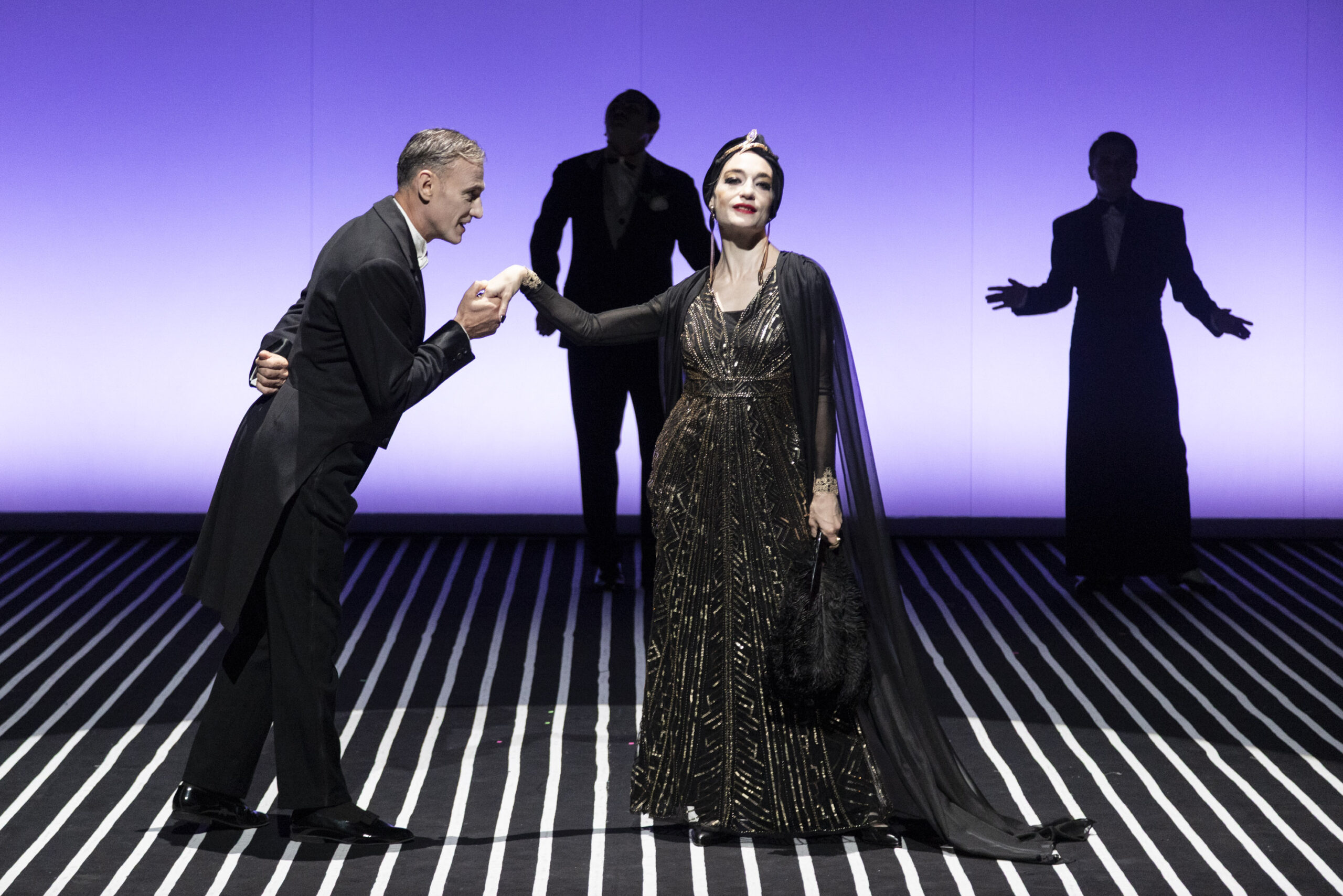
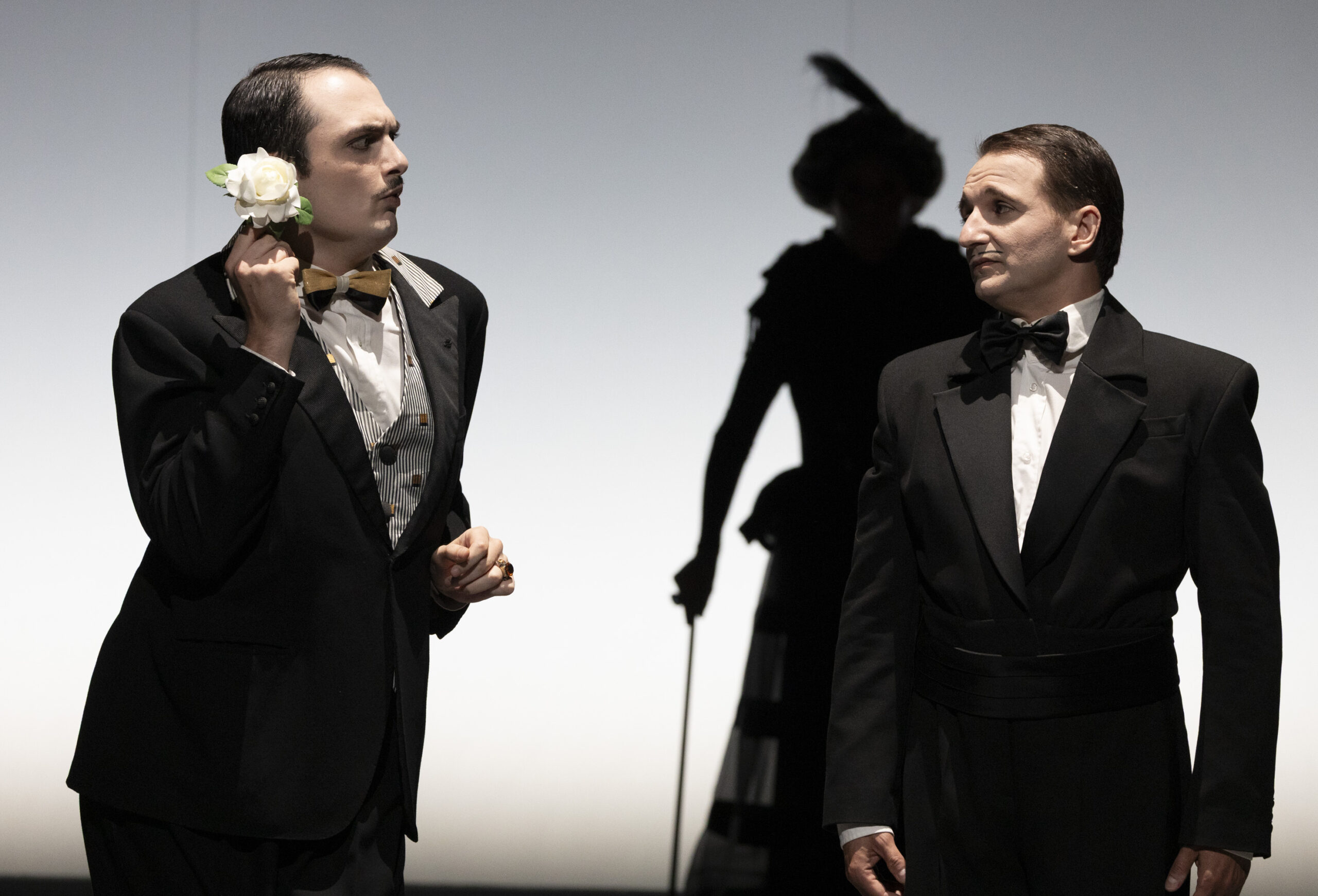
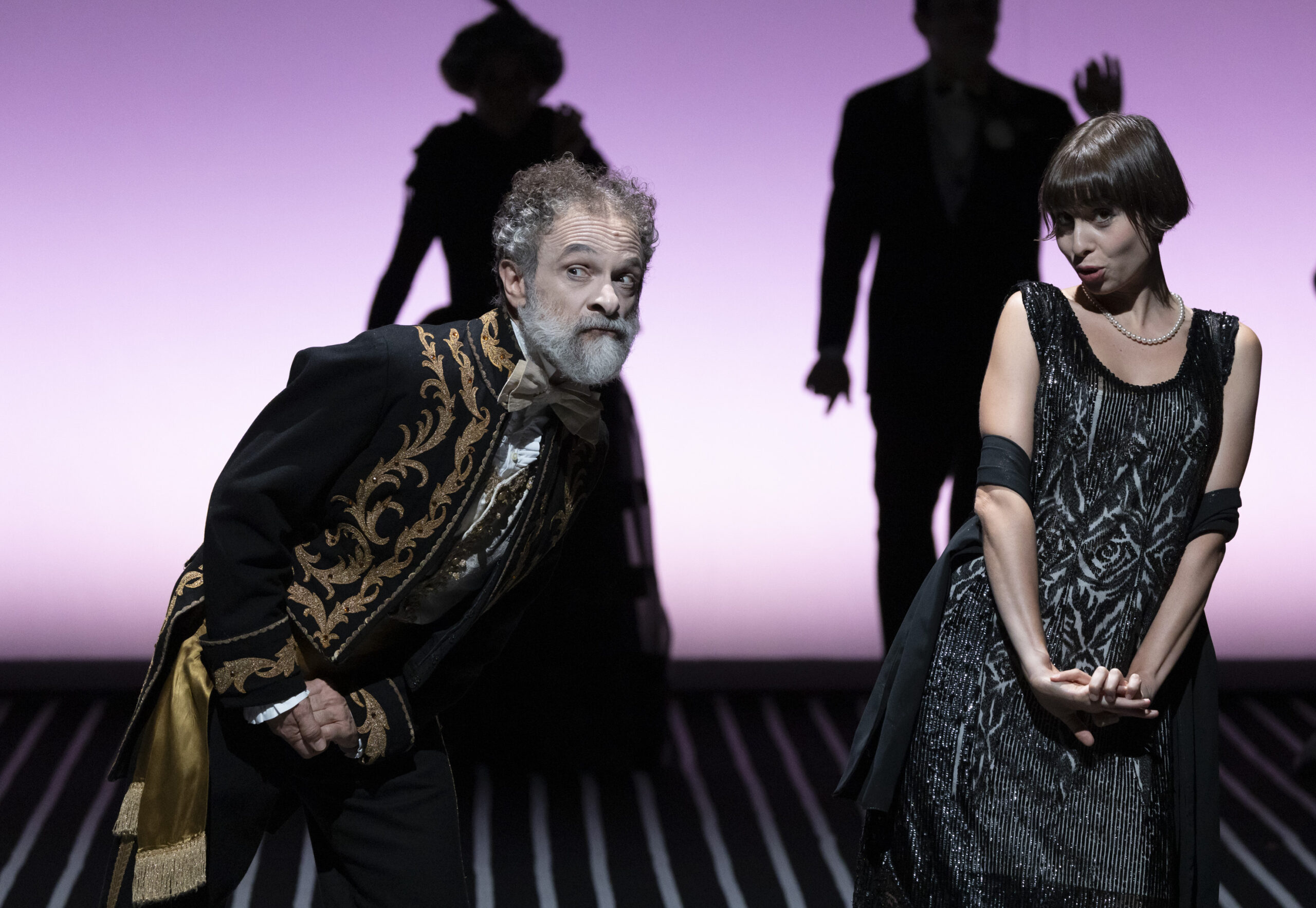
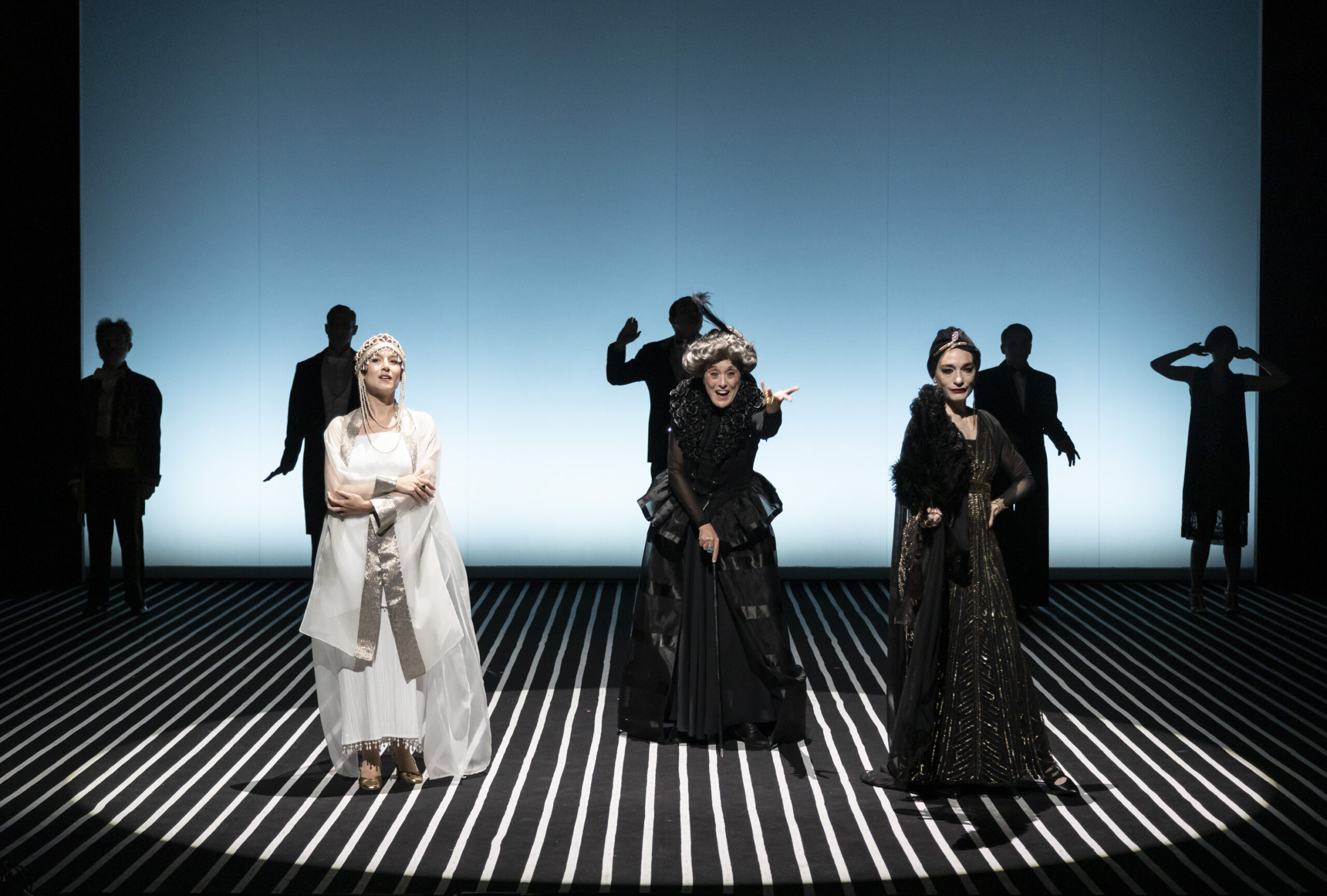
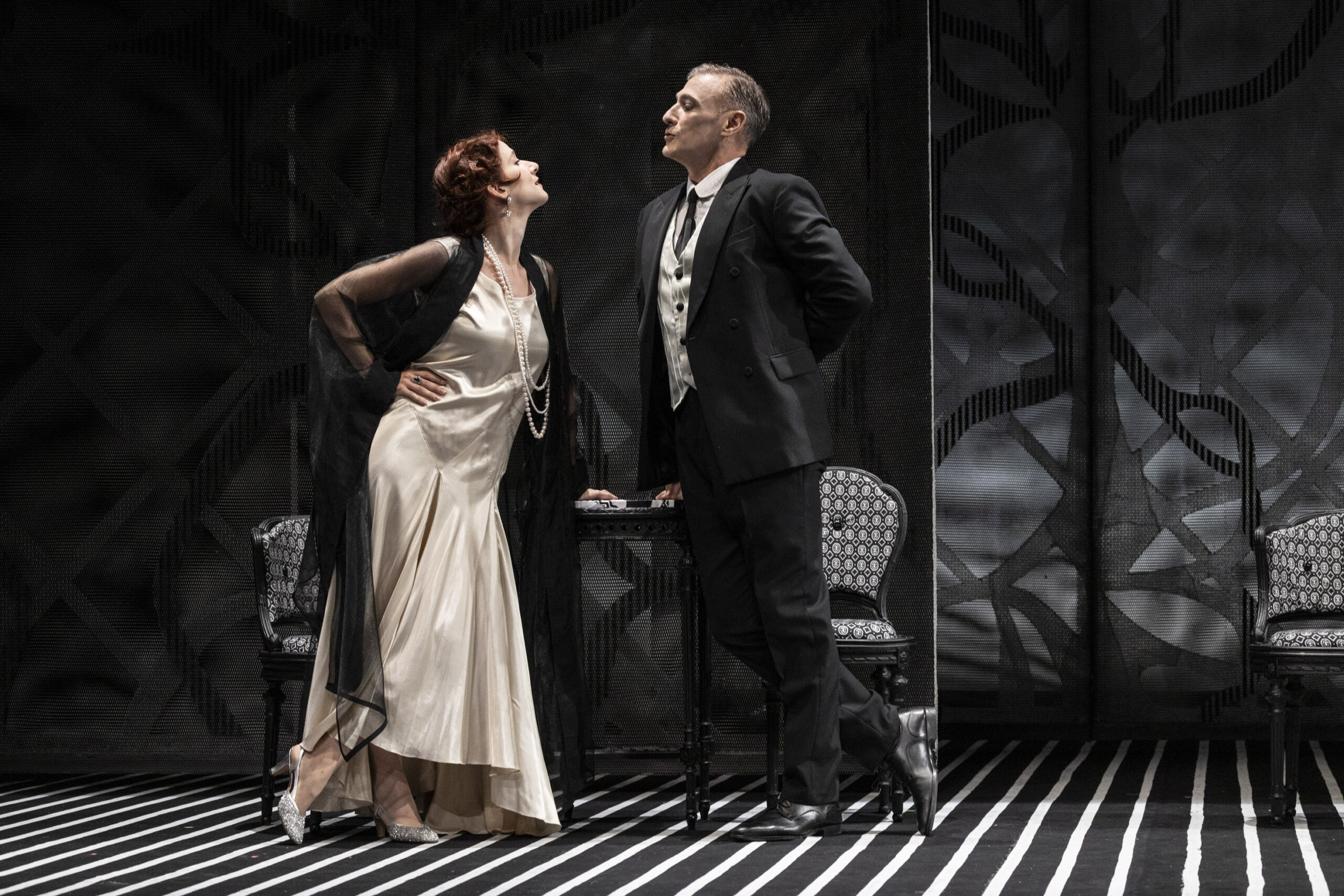
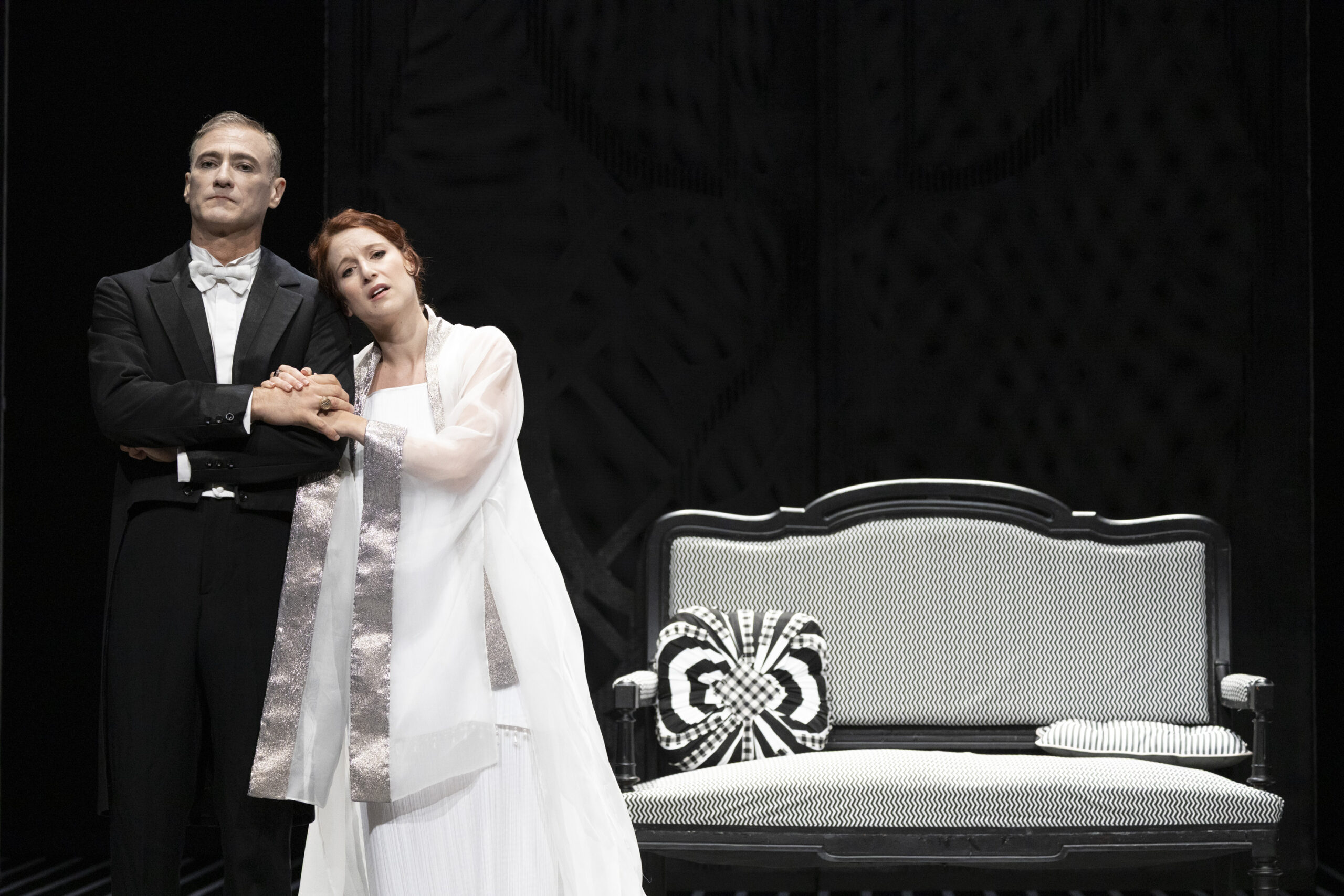
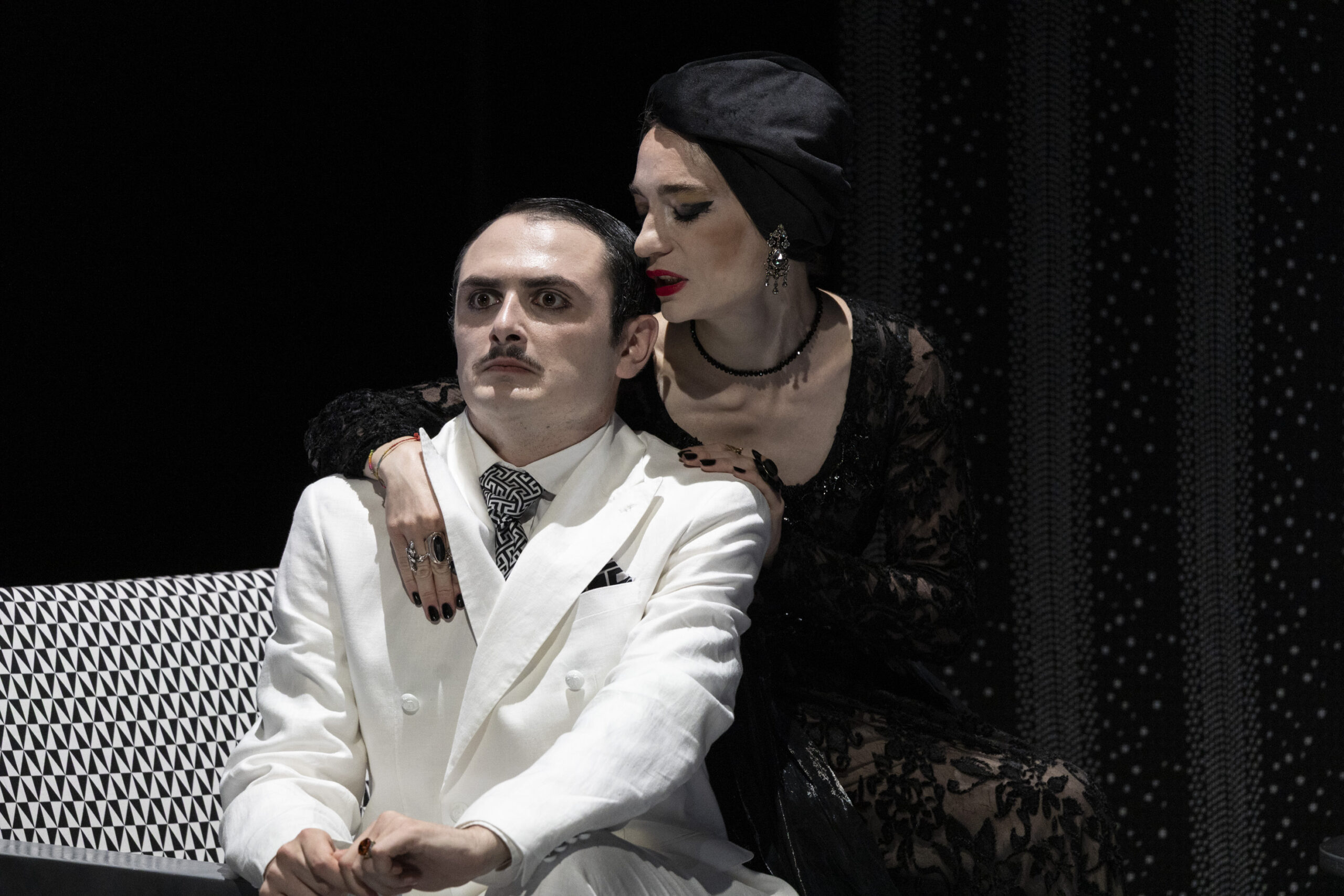
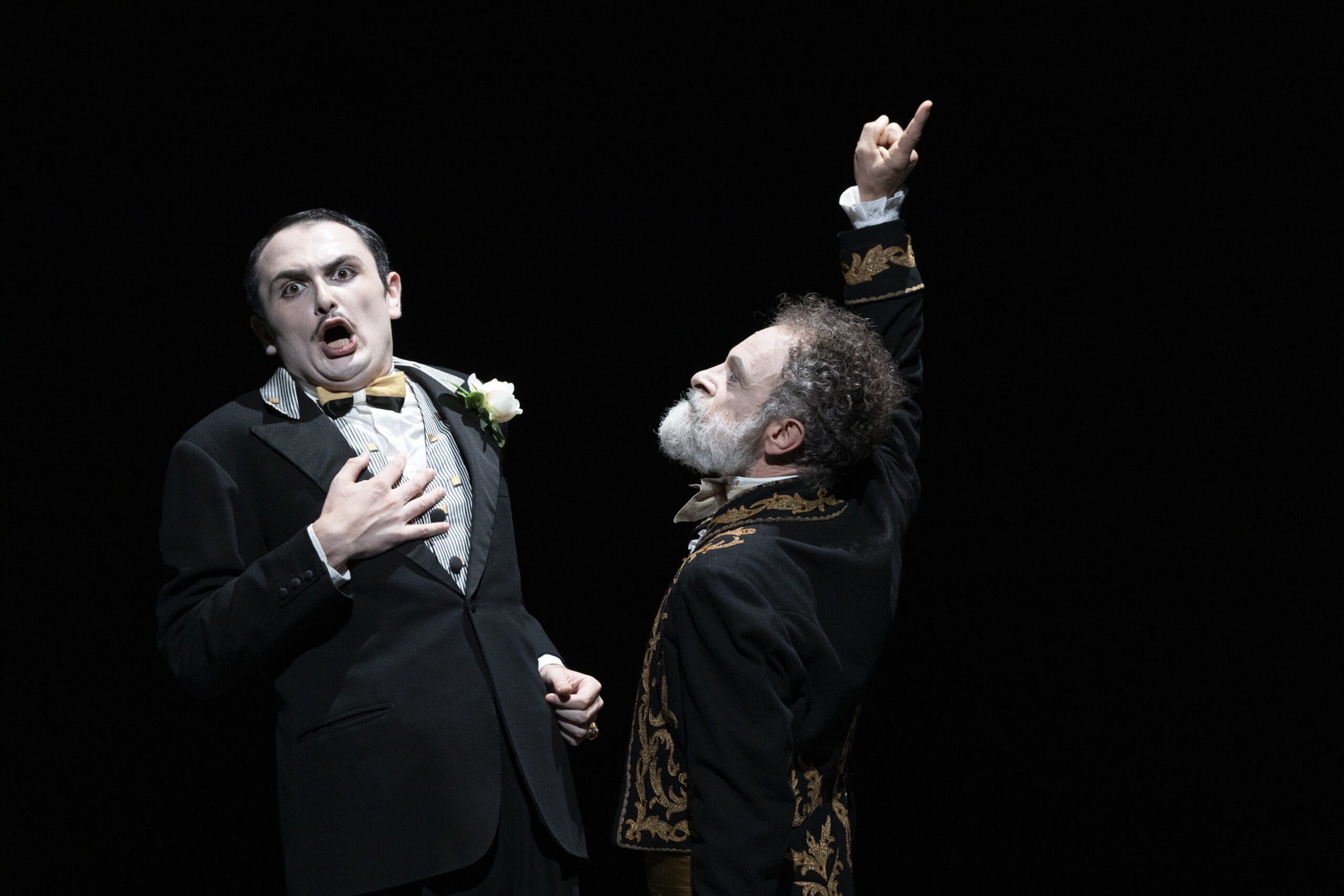
In their directors’ notes, Bruni and Frongia identify duality as one of the work’s central themes. In Wilde’s vision, human beings are never entirely straightforward: behind every certainty lie vulnerabilities, desires and compromises. The comedy becomes a hall of mirrors in which no one can claim to be free from contradiction. Even those who present themselves as paragons of morality must confront the darker sides they cannot simply erase by ignoring them. This ambiguity finds its visual expression in a production dominated by black and white, clean lines and touches of opulence. Carlo Sala’s set design and Ferdinando Bruni’s costumes evoke two distinct worlds, alternating and transforming through translucent backdrops. On one side, the imperial splendour and decorative language of late Art Nouveau suggest an elegant yet decadent society; on the other, a more geometric and modern Art Deco aesthetic emerges The visual landscape recalls early twentieth-century atmospheres and cinematic suggestions, with echoes of the sophisticated black-and-white worlds of Ernst Lubitsch and George Cukor The rhythm of the production also seeks to capture this apparent lightness, beneath which a sense of unease quietly unfolds